Manual Changes Drift
A console fix made at midnight never reaches the next environment, and the two stop matching in ways nobody wrote down.
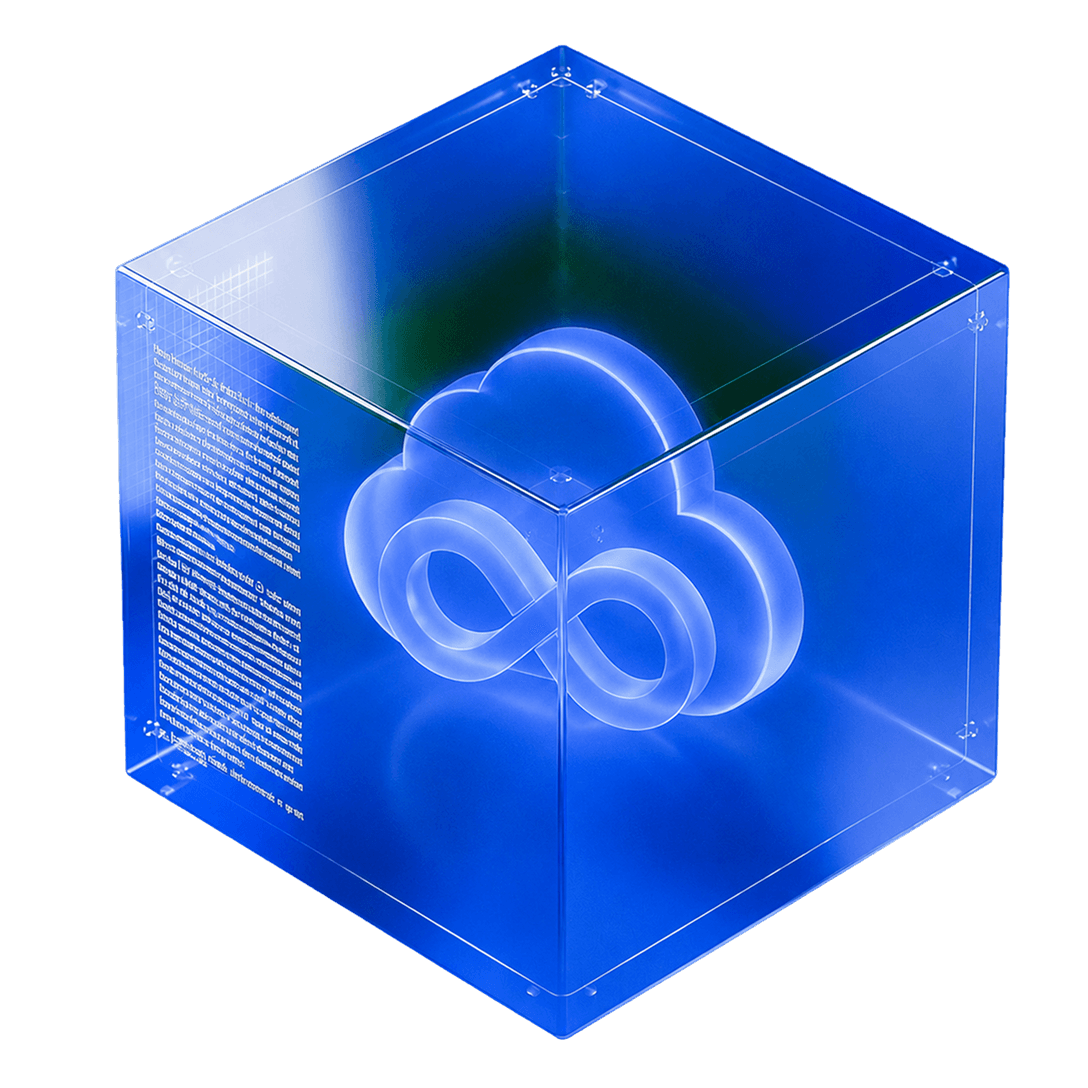
Infrastructure is not something you set up once. It is the delivery system your team ships through every day.
Infrastructure that scales predictably and releases that stay boring, with every environment defined in code rather than remembered by one person.

10+ Projects Delivered
Infrastructure as Code
Platforms rarely fail because of one bad decision. They fail because manual changes, untested capacity, and unowned cost accumulate until a release becomes something to schedule around.
A console fix made at midnight never reaches the next environment, and the two stop matching in ways nobody wrote down.
When shipping feels risky it gets batched, and every batch makes the next release riskier than the one before it.
Idle capacity, oversized instances, and environments nobody switched off bill exactly the same as the ones doing real work.
Capacity that was never tested under load gives way under load, which is the one moment the failure is expensive.
A backup nobody has restored and a runbook nobody has followed are both assumptions rather than plans.
Platform work across the whole delivery path: the cloud foundation underneath, the pipeline that ships onto it, and the observability that explains what happened afterwards.
Environments designed around the workload rather than a default template, with migrations sequenced so the cutover is a scheduled step instead of a lost weekend.
Every environment defined in version control, reviewed like application code, and reproducible from an empty account rather than from memory.
Automated build, test, and release paths that make deploying to production the least dramatic thing that happens that day.
Workloads packaged consistently and scheduled on clusters sized for real traffic, with rollouts that can be reversed in a single step.
Metrics, logs, and traces joined into one picture, with alerting tuned tightly enough that an on-call engineer trusts the page.
Autoscaling, capacity headroom, and spend reviewed together, because the cheapest architecture and the most resilient one are rarely the same design.
Patching, backups, rehearsed restores, and change control handled as routine work rather than as an escalation someone remembers to raise.
We begin by mapping what runs where, what it costs, and which parts of a release still depend on somebody remembering a step. From there, platform work becomes a clear sequence of designs, environments, pipelines, and measurable reliability.
How Can We Help You
See how coded infrastructure, automated pipelines, and observability people trust keep high-traffic platforms fast to ship and predictable to run.

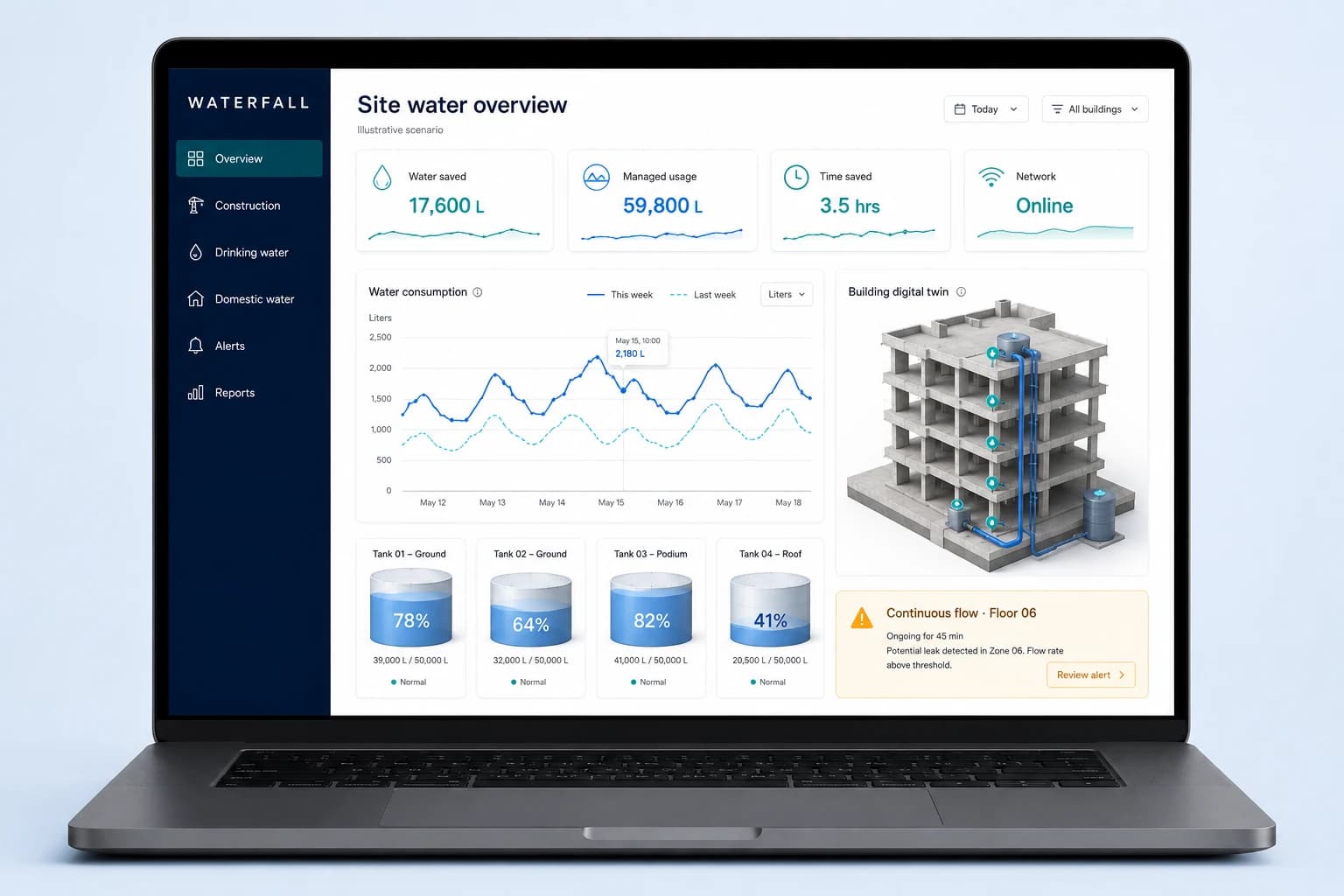
Connected site water operations: IoT sensors, cloud monitoring, and valve control across construction, drinking, and domestic water networks.
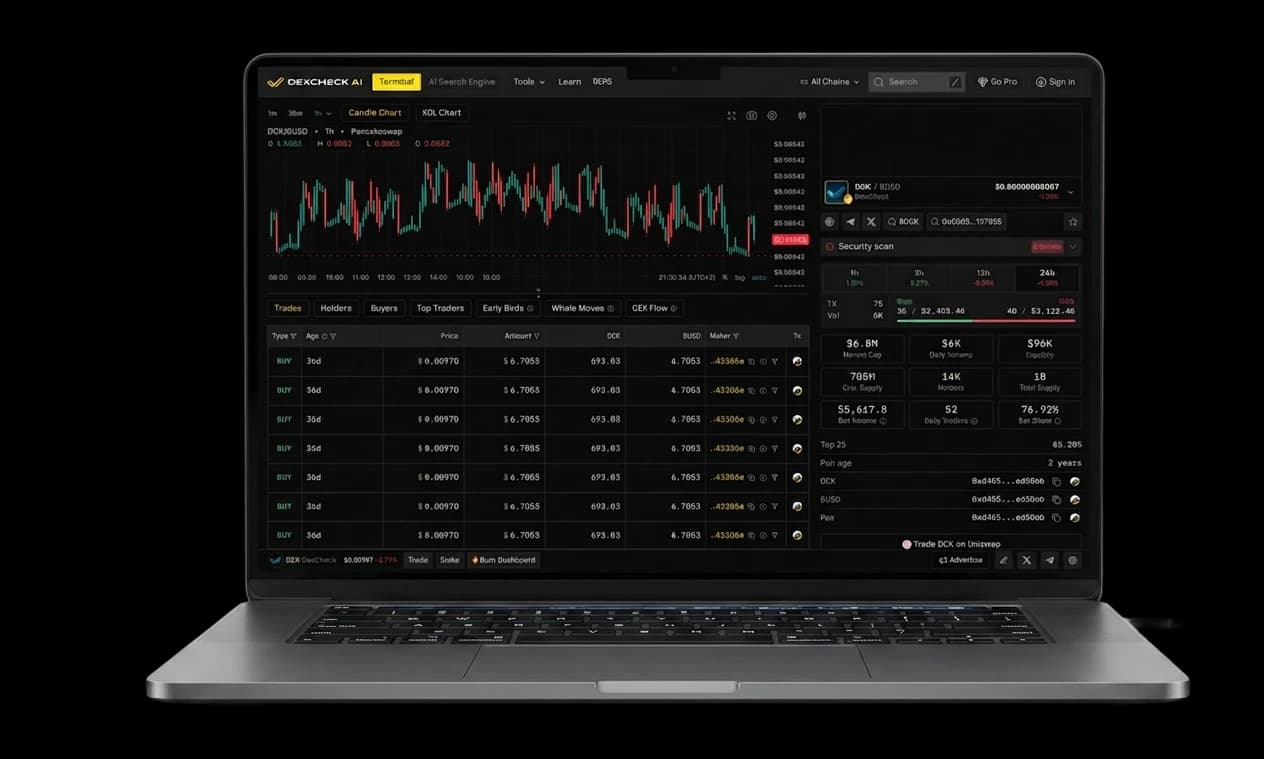
View Case Study ↗A multi-chain analytics platform that turns fragmented blockchain activity into decision-ready market intelligence.
View Case Study ↗
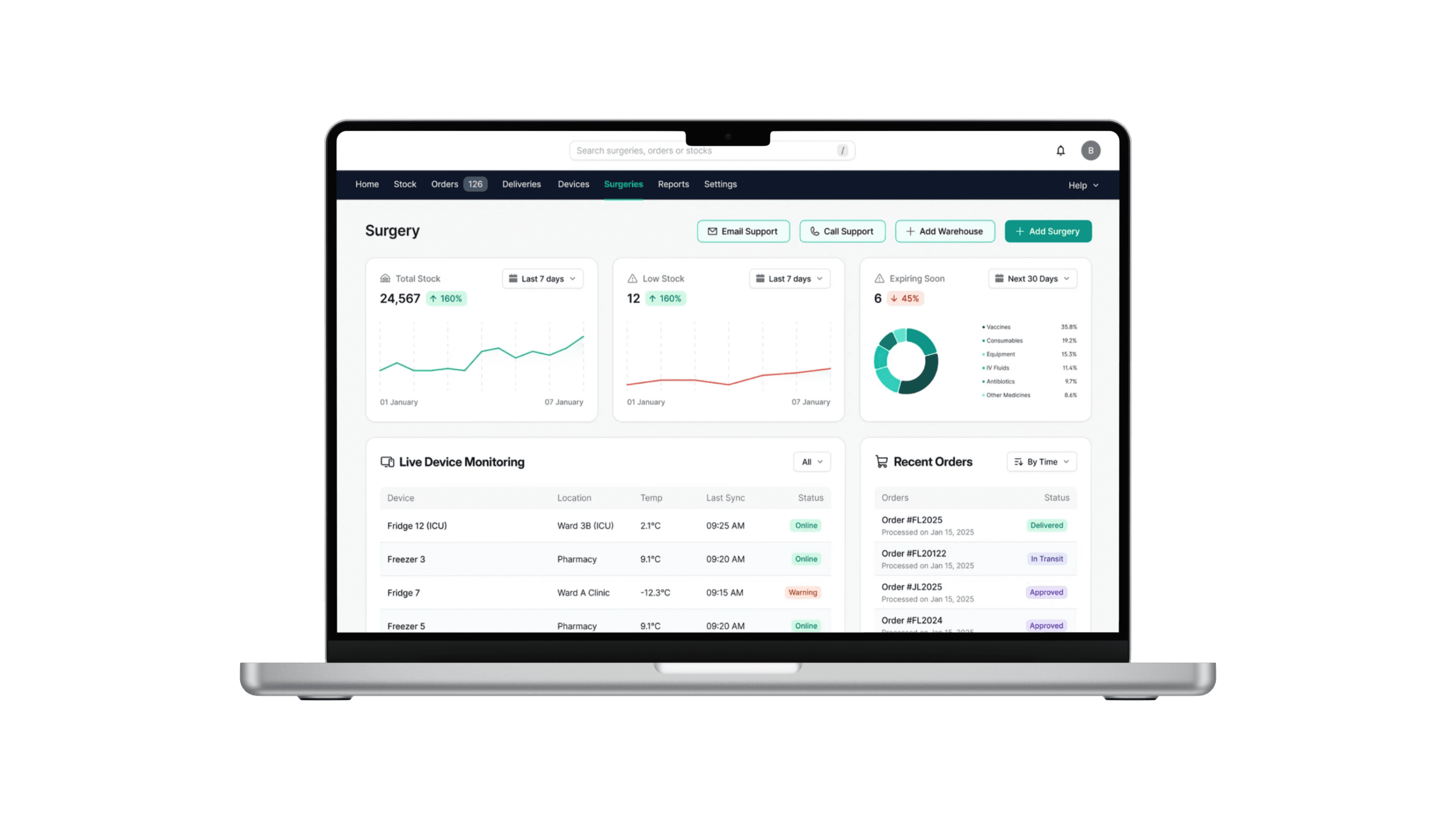
An RFID-enabled healthcare logistics platform for vaccines, medical assets, stock, temperature, and delivery tracking.
View Case Study ↗Pharma warehouse management with RFID tracking, stock movements, deliveries, expiry alerts, and cold-storage visibility.
View Case Study ↗Let's turn your institutional vision into a digital reality. Book your strategy session today.
Book a Strategy SessionContact Us
Reach out to us:
Mail us @
[email protected]Someone from our team will reach out in the next 24hrs, we look forward to the conversation









 Pharma products
 Total stock
 Expiring soon
 Cold-chain alerts
 Inbound vs outbound
 Stock health
 Warehouse utilization