Healthcare engineering built around the moment care happens
From patient access and clinical workflows to pharmacy, connected devices, and FHIR data exchange, Stackera designs healthcare platforms around the people using them—and the safety, privacy, and evidence obligations that follow every decision.
Healthcare has moved beyond putting paper workflows on screens. The current challenge is making records, devices, teams, and decisions work as one dependable system without losing clinical context or control.
2010s
The record goes digital
EHR adoption gives care teams a durable digital record, but local configurations and closed systems reproduce many of the old silos.
2016
Interoperability becomes infrastructure
FHIR APIs and shared terminology make clinical data easier to exchange, turning integration from a one-off interface into a product capability.
2020
Care leaves the facility
Virtual care, remote monitoring, and digital access move more of the patient journey into homes, phones, and connected devices.
2023
Every handoff becomes visible
Live operational data connects beds, medications, equipment, and supply chains while cybersecurity and traceability expectations rise.
Now
Governed intelligence enters the workflow
AI begins to prepare, prioritise, and coordinate work around care—with source evidence, scoped actions, and accountable clinical review.
AI Transformation · Shift-ready clinical coordination
Give care teams the context that changes the next action
Assemble current orders, results, and handoff notes into a source-linked view before a clinician reviews it.
Two results were posted and one medication order changed. I summarised the updates and linked each item to its source record.
Open the source records for clinical review.
✓Source-linked
✓Time-stamped
✓Clinician reviewed
Healthcare systems we know from the inside
Every care setting has a different workflow, evidence burden, and integration surface. We design for those differences rather than placing the same interface over each one.
Sector system
Health Systems & Clinical Operations
Connected
01Clinical workspaces
02Patient-flow orchestration
03EHR integration
04Operational command centres
Operational platforms that connect patient flow, care-team work, orders, results, and capacity without replacing the clinical systems already in place.
✓Clinical workspaces
✓Patient-flow orchestration
✓EHR integration
Operational command centres
A core workflow, designed into the platform from the first release.
04
specialist workstreams
One operating model
Product, data, controls, and operations aligned around the same platform.
Clinical workspacesConnected
Patient-flow orchestrationConnected
EHR integrationConnected
Connected by design
Identity, events, and evidence move through one dependable system.
Product surface
Built for Health Systems
Experience, controls, and data shaped around how this sector operates.
Signs a healthcare platform is creating more work than it removes
The warning signs usually appear first at the handoffs—between people, systems, facilities, and evidence. If several are familiar, the platform needs more than another interface patch.
Clinical and pharmacy platforms, patient and clinician applications, remote-monitoring products, connected-device and SaMD software, FHIR interoperability layers, healthcare data platforms, and medicines or vaccine traceability systems. We work with providers, digital-health companies, device teams, pharmacies, distributors, and life-sciences operations.
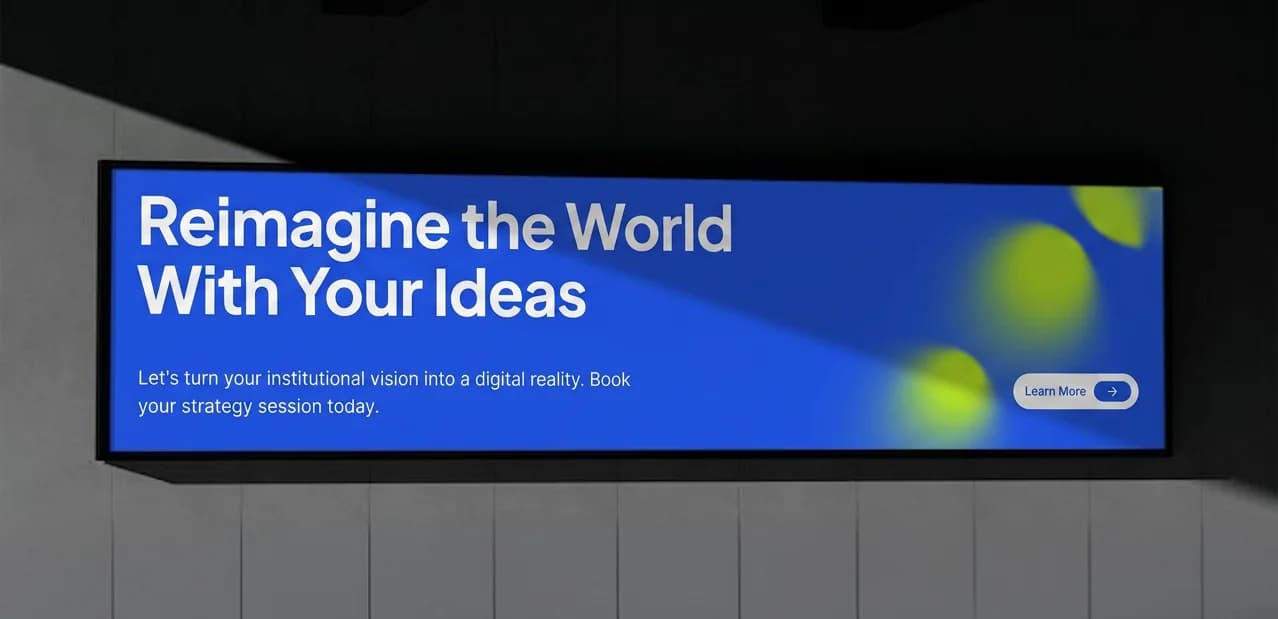
Reimagine the World With Your Ideas
Let's turn your institutional vision into a digital reality. Book your strategy session today.

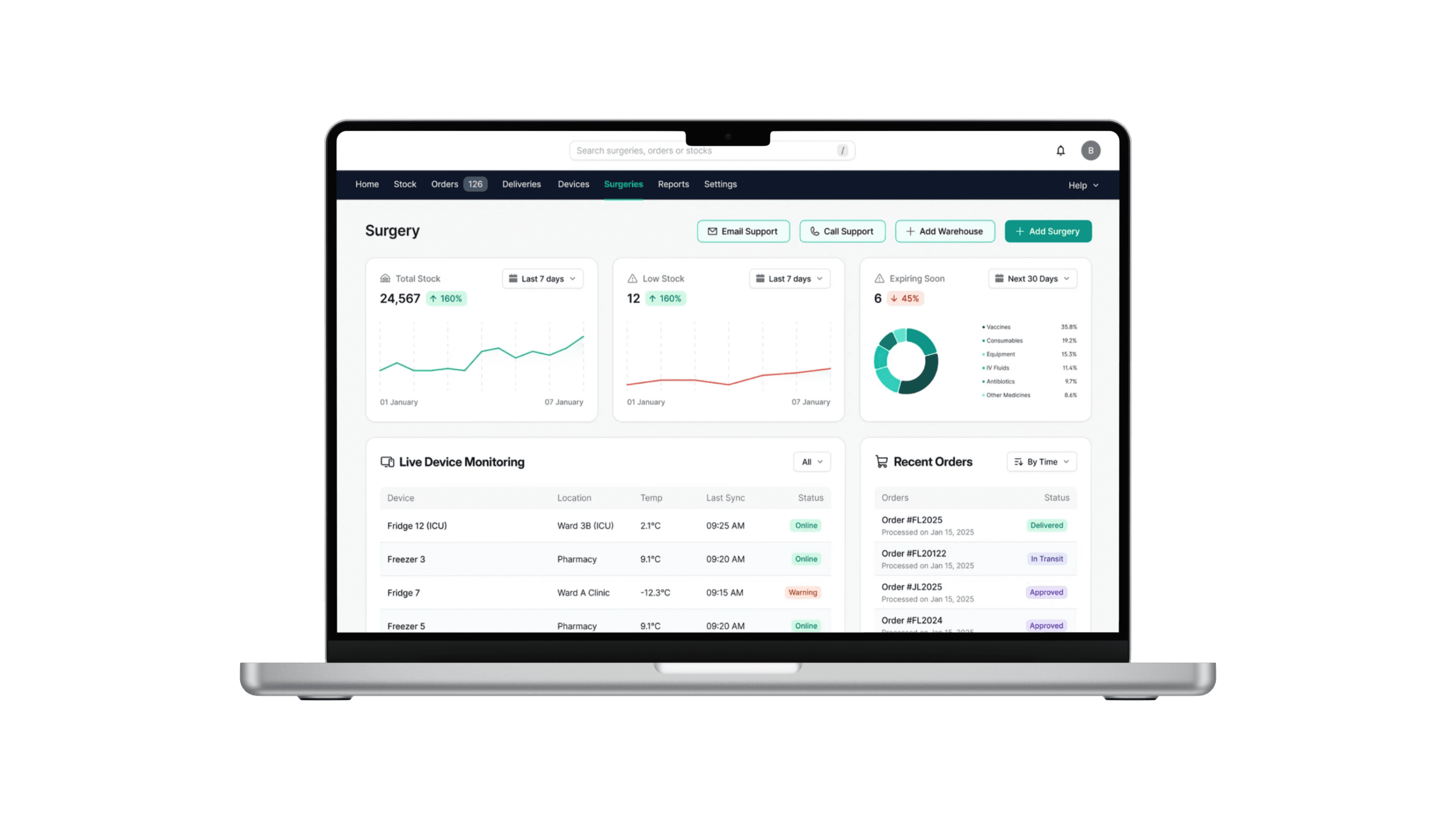
 Pharma products
 Total stock
 Expiring soon
 Cold-chain alerts
 Inbound vs outbound
 Stock health
 Warehouse utilization