Knowledge Leaves With People
The engineer who knew why that service restarts nightly takes the explanation with them, and the workaround quietly becomes permanent.
Most software does not fail on launch day. It fails eighteen months later, when the people who built it have moved on.
Ongoing ownership of the software you already run: monitoring that notices, response when something breaks, and the maintenance that prevents most of it.

Defined Response SLAs
Continuous Monitoring
Support is the part nobody plans for. The build gets a budget and a deadline; the years afterwards get whoever happens to be free, until the system becomes something everyone is slightly afraid to touch.
The engineer who knew why that service restarts nightly takes the explanation with them, and the workaround quietly becomes permanent.
An expiring certificate or a slow query is trivial to fix and expensive to ignore, and neither announces itself until it stops the business.
Runtimes and libraries reach end of life on their own schedule, and the upgrade only gets harder for every month it is deferred.
When responsibility is split across two teams and a contractor, the first twenty minutes of an incident go on deciding who is handling it.
Reactive teams close tickets. Without someone tracking why the same ticket keeps returning, the underlying cause never gets funded.
Ongoing ownership of systems already in production: the monitoring that notices before your users do, a defined response when something breaks, and the unglamorous maintenance that stops most incidents from happening at all.
Day-to-day ownership of running software, from triaging reported faults to the small corrective changes that never justify a project of their own.
Coverage across uptime, errors, and saturation, with thresholds tuned tightly enough that an alert still means something at four in the morning.
A named owner, an agreed escalation path, and a written postmortem — so the same outage is not diagnosed from scratch the second time it happens.
A single intake for requests and faults, prioritised against response times that were agreed in advance rather than negotiated during the incident.
Runtime, framework, and library currency treated as scheduled work, so end-of-life dates arrive as calendar entries instead of as security findings.
Profiling the queries, endpoints, and instances that actually cost something, then fixing the handful responsible for most of the bill.
The architecture, the failure modes, and the steps that still live in one person's memory, written down and kept current as the system changes.
We start by learning the system as it actually runs — what it depends on, what breaks most often, and which steps still live in somebody's memory. From there support becomes a defined service with named owners, agreed response times, and a maintenance schedule that runs whether or not anything is on fire.
How Can We Help You
See how continuous monitoring, agreed response times, and routine maintenance keep production platforms stable long after the build team has moved on.

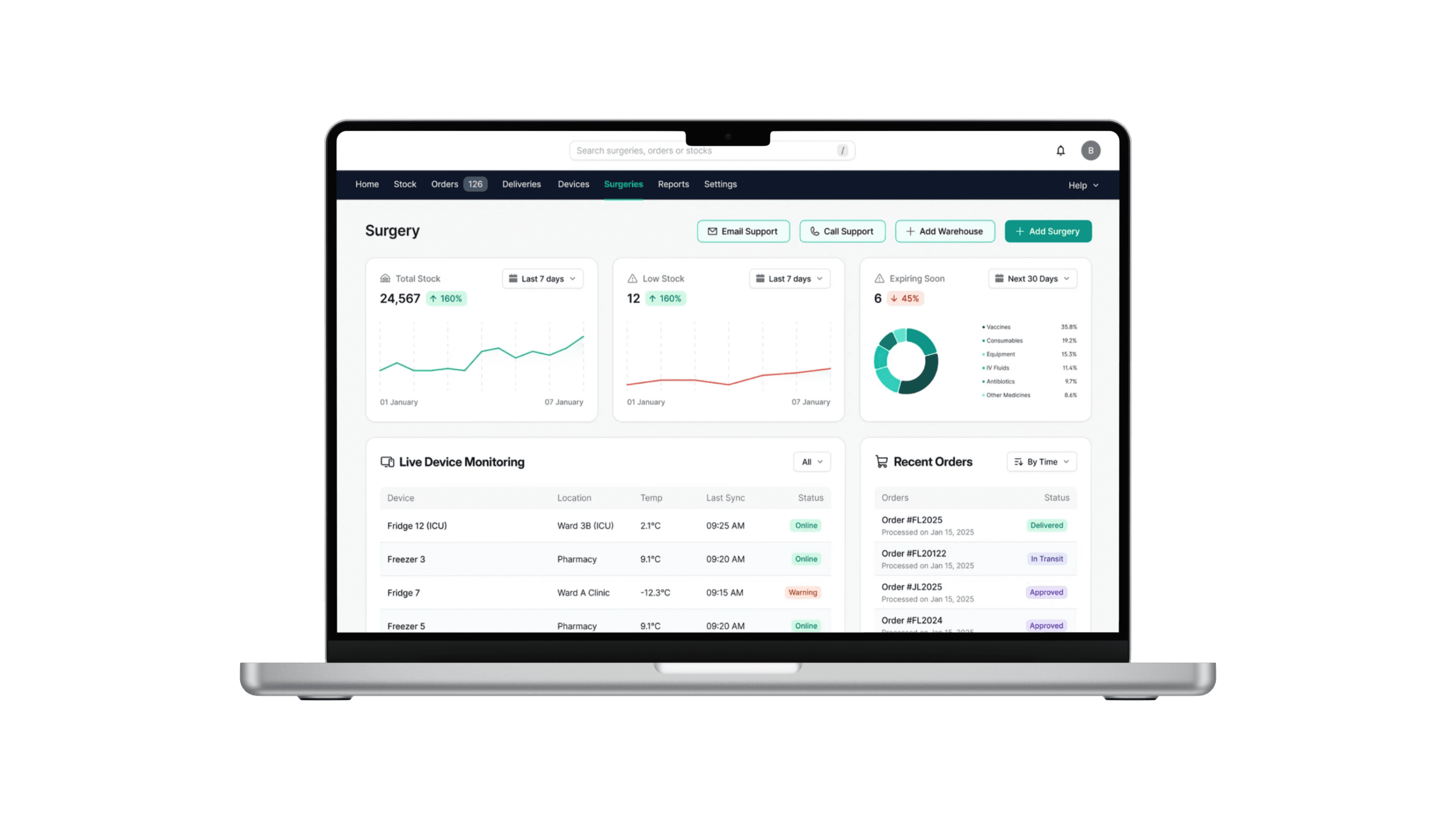
An RFID-enabled healthcare logistics platform for vaccines, medical assets, stock, temperature, and delivery tracking.
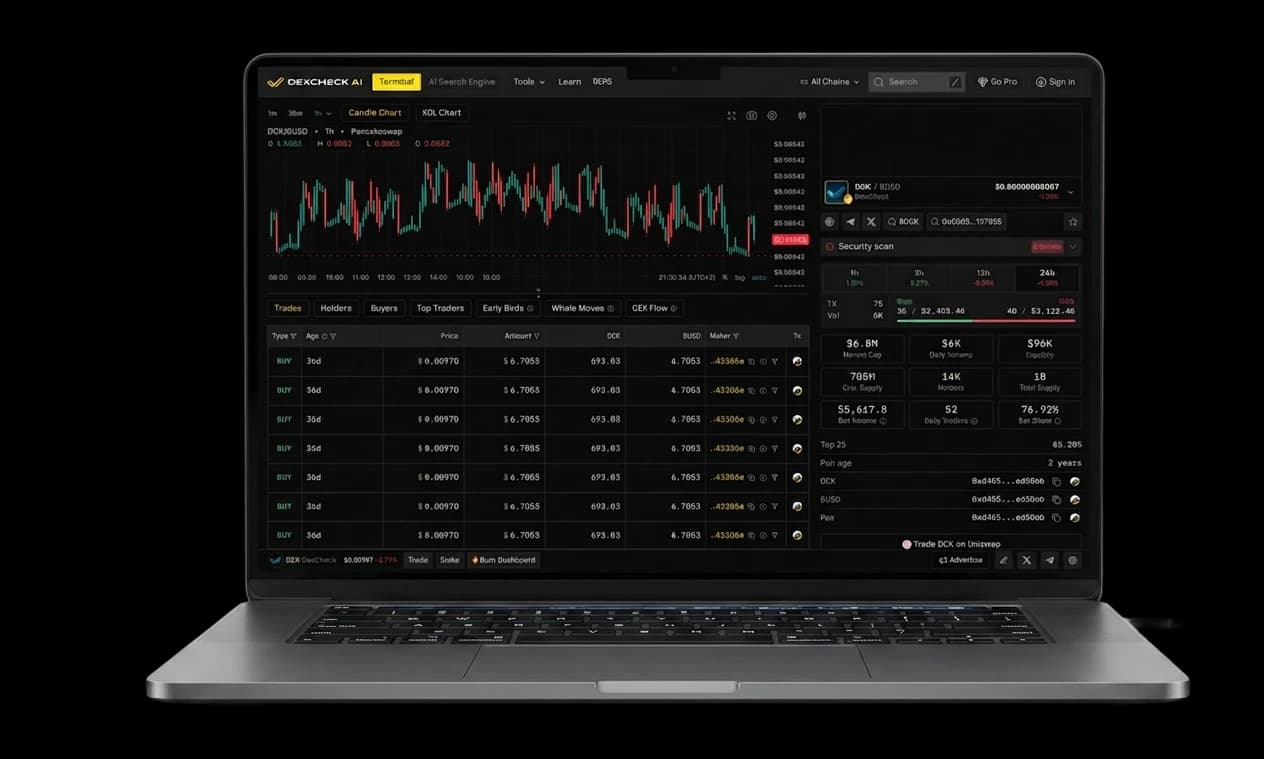
View Case Study ↗A multi-chain analytics platform that turns fragmented blockchain activity into decision-ready market intelligence.
View Case Study ↗Pharma warehouse management with RFID tracking, stock movements, deliveries, expiry alerts, and cold-storage visibility.
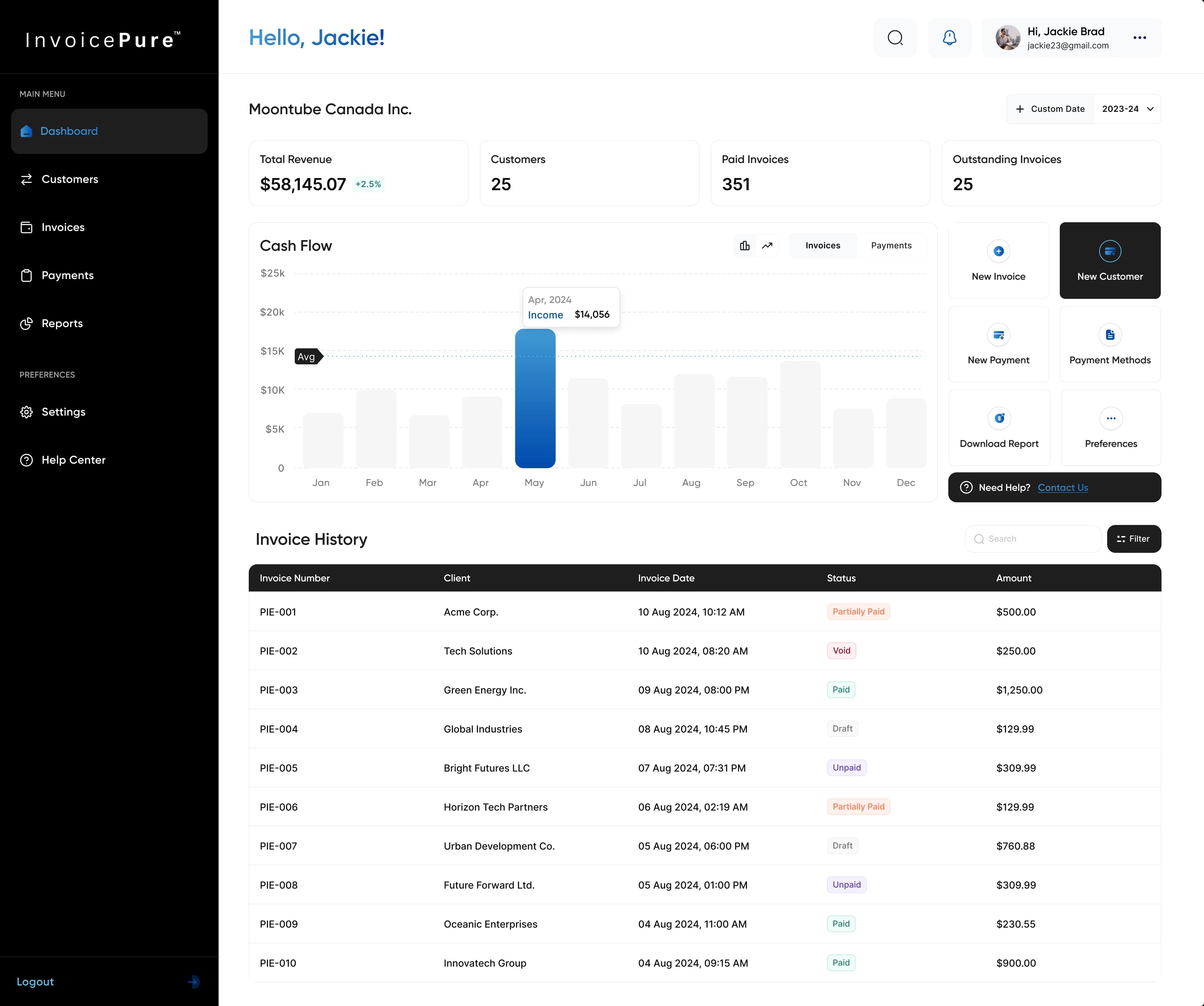
View Case Study ↗A simple invoicing and reports platform connecting customers, invoice creation, payment records, templates, and team workflows.
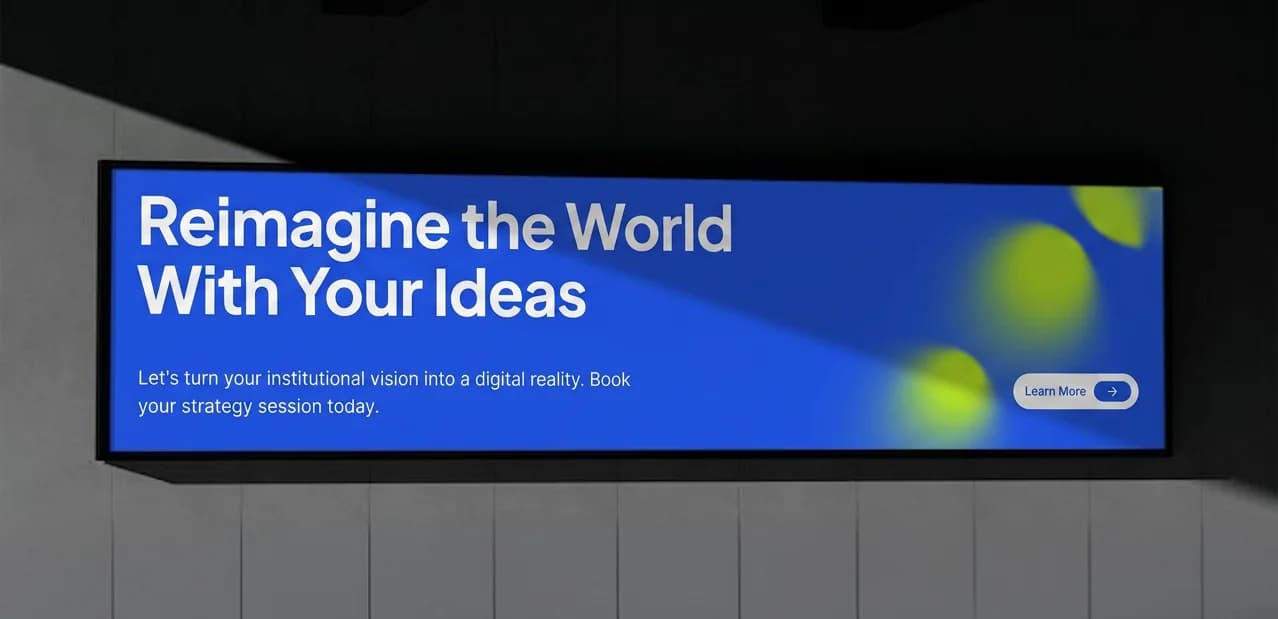
View Case Study ↗Let's turn your institutional vision into a digital reality. Book your strategy session today.
Book a Strategy SessionContact Us
Reach out to us:
Mail us @
[email protected]Someone from our team will reach out in the next 24hrs, we look forward to the conversation

 Pharma products
 Total stock
 Expiring soon
 Cold-chain alerts
 Inbound vs outbound
 Stock health
 Warehouse utilization